 Foodofile
Cake Disaster? Avoid This Baking Mistake!
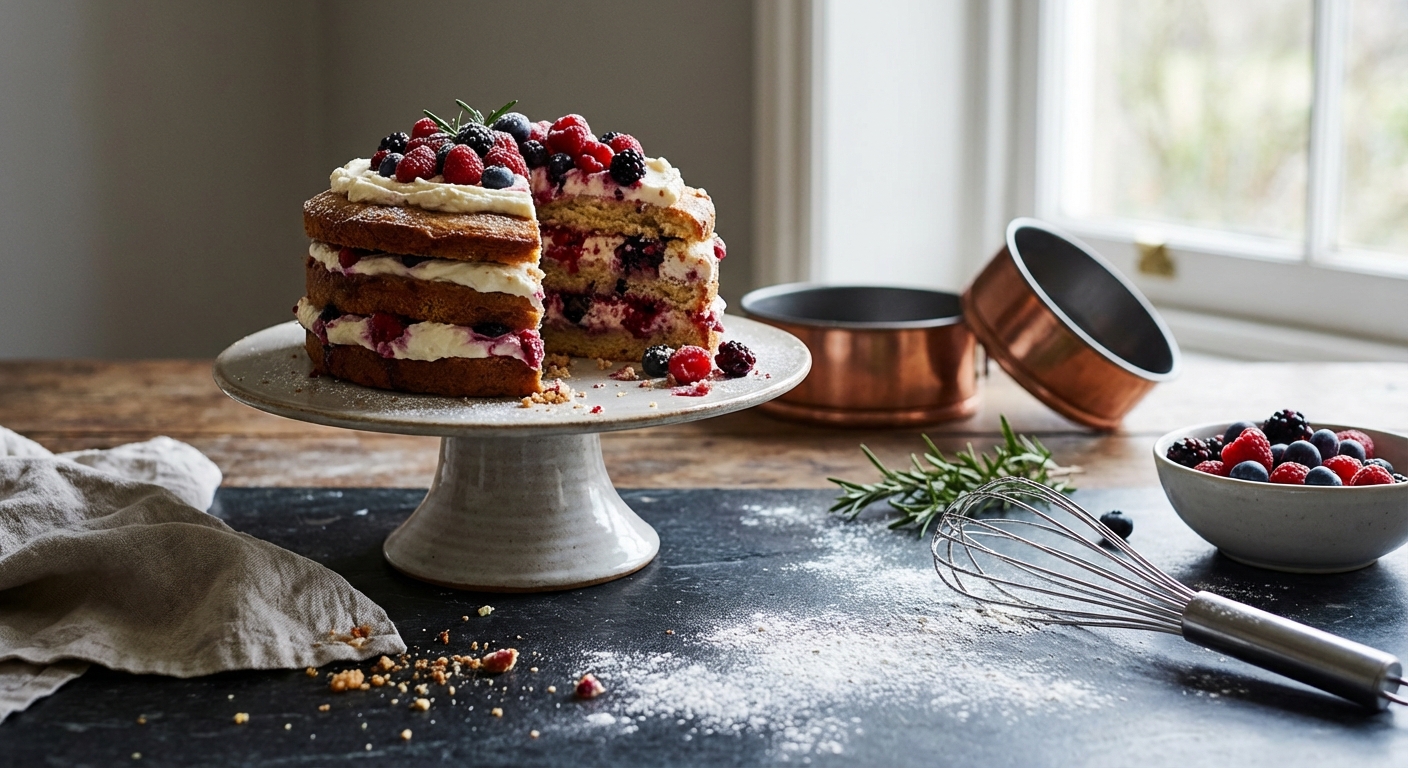
You follow the recipe exactly. The oven temperature is perfectly calibrated. The ingredients are premium. You pull the cake pans out. The kitchen smells amazing. You let the cakes cool. You prepare the frosting. You slice into the first layer. The knife drags. The fork meets firm resistance. The crumb looks incredibly dense. The texture feels rubbery. It eats like a slice of bread.
This is the heartbreak of gluten overdevelopment. It is a subtle mistake. It happens in mere seconds. Many bakers blame their baking powder. They blame their oven calibration. The real issue happens much earlier in the process. It happens during the mixing phase. Recognizing the physical changes in your batter saves your cake. You must learn the tactile signs of overmixing.
The Mechanics of Gluten Overdevelopment
Baking is chemistry. Wheat flour contains two distinct proteins. These are glutenin and gliadin. In their dry state, these proteins do nothing. Introduce a liquid to these proteins, and they wake up. They combine to form gluten.
This structural network acts like an elastic web. Imagine tossing a pile of loose strings onto a table. Mixing untangles those strings. It braids them together into a strong rope. The longer you mix, the tighter the braid becomes. A strong web traps yeast gases and provides chewiness in bread. A strong web destroys tenderness in cake.
The clock starts ticking the moment wet ingredients meet dry ingredients. Agitation accelerates the process. Every single rotation of your whisk stretches these protein strands. Every pass of the paddle attachment aligns them. The structure becomes tighter with each passing second.
High speed mixing pushes a cake batter from perfectly combined to completely overworked rapidly. The transition can happen in just ten to fifteen seconds. Flour type also plays a massive role. Cake flour contains six to eight percent protein. This lower protein content makes the batter slightly forgiving. All purpose flour sits around ten to twelve percent protein. This higher amount increases the risk of tough cakes. But even with low protein flour, excessive agitation ruins the texture. You must rely on tactile feedback in your hands to know when to stop.
Tactile Sign One: The Batter Fights Back
Pay close attention to the physical resistance against your spatula. Your wrist feels the exact moment the batter changes. Perfect cake batter feels yielding. It feels soft. It flows easily when you fold it. A wooden spoon moves effortlessly through the bowl.
Overmixed batter pushes back. The silicone spatula bends more than usual. The mixture feels distinctly heavy. The air bubbles incorporated during the creaming stage get crushed. The tightening gluten network squeezes the air right out of the batter.
As the network tightens, the batter viscosity changes visibly. It transforms from a dull mass into a shiny substance. It becomes highly elastic. That sudden shine serves as an immediate warning sign. It indicates the proteins have aligned tightly. The batter mimics the early stages of bread dough. Lift your spatula. If you feel a gummy elasticity, the damage is already done. The batter feels thick. It requires distinct physical effort to fold. You must stop mixing immediately.
Tactile Sign Two: The Ribbon Test Failure
The ribbon test provides a reliable indicator of batter consistency. Professional pastry chefs use this technique daily. It requires zero special equipment. Lift your whisk or spatula straight up above the bowl. Observe how the batter falls back into the mixture. Let gravity do the work.
A properly mixed batter falls in a thick, continuous ribbon. This ribbon drops smoothly. It rests on the surface of the batter pool for a brief moment. You can often draw a figure eight with the falling batter. The shape remains visible for a second before slowly melting back into the mixture.
An overworked batter fails this test completely. The excess gluten fundamentally alters the flow. The batter trails off in a continuous stream. This stream looks rope-like. It refuses to break naturally.
Alternatively, the tight elasticity causes the batter to snap backward. It falls in cohesive, gummy clumps. These clumps sit stubbornly on top of the mixture. They refuse to dissolve into the pool. The flow becomes unnaturally cohesive. It pours like thick lava. This visual and tactile change proves the structural web is far too strong.
Tactile Sign Three: The Bowl Scrape
Scraping down the sides of your mixing bowl provides another clear tactile signal. Cleaning the bowl is mandatory for even mixing. Drag a silicone spatula along the inside edge of the glass or metal.
Properly mixed batter smears softly. It spreads effortlessly across the surface. It leaves a thin, even film on the sides of the bowl. It feels fluid and relaxed.
Overdeveloped batter behaves differently. Drag the spatula along the edge. The batter pulls away in a cohesive mass. It wipes the bowl completely clean like a rubber squeegee. It holds onto itself rather than the surface of the bowl. It acts exactly like an elastic web.
It might even pull cleanly away from the bowl entirely. This action perfectly mirrors a developed bread dough releasing from the sides of a stand mixer. This cohesiveness means the protein strands are fully linked. They grip each other tightly. They refuse to remain suspended softly in the liquid.
The Post Bake Autopsy
Sometimes the batter makes it into the oven before you notice the signs. The baked cake leaves undeniable evidence of the mixing mistake. You can perform a quick autopsy to confirm the error.
Look closely at the crumb for tunneling. Tunnels are long, vertical air holes running directly through the cake. The strong gluten strands trap steam too effectively during the bake. The trapped steam forces the air to push upward violently. This aggressive action carves hollow tubes inside your cake.
Observe the shape of the baked cake. A properly mixed cake bakes relatively flat. An overworked batter produces a sharp, peaked dome. The edges set quickly against the hot pan in the oven. The strong, elastic center continues to force its way upward. The cake erupts like a tiny volcano.
Evaluate the mouthfeel. A perfect crumb melts instantly. An overworked cake feels incredibly heavy. It sticks firmly to the roof of your mouth. The crust becomes tough. It requires actual chewing. The texture resembles bread more than pastry. Sometimes the tight network prevents the center from cooking properly. This leaves a dense, gummy layer at the very bottom of the pan.
How to Stop Gluten Before It Starts
Prevention relies on controlling your ingredients. It relies on controlling your methods. You can easily modify your workflow to protect the crumb. These simple rules prevent disaster.
Weigh your ingredients. Using measuring cups often packs excess flour into the recipe. More flour equals more protein. More protein equals a higher risk of toughness. A digital kitchen scale guarantees absolute precision.
Control the temperature. Warmer dough develops gluten much more quickly. Cooler temperatures slow the whole process down. Ensure your butter and liquids sit at the correct room temperature specified by the recipe. Excess heat accelerates the chemical timer.
Sift the dry ingredients. Sifting thoroughly reduces dense clumps. Smooth flour requires less agitation to incorporate into the wet mixture. Less mixing directly translates to less gluten development.
Try the reverse creaming method. Traditional recipes ask you to cream butter and sugar first. Then you alternate adding flour and milk. Reverse creaming changes the entire order. You mix the flour and sugar first. Then you beat in the softened butter. The fat completely coats the flour particles. This fat barrier physically prevents water from reaching the proteins. It severely limits gluten development from the very beginning.
Master the fold. Step away from the stand mixer for the final mixing stage. Add the dry ingredients by hand. Use a wide rubber spatula. Scrape the bottom of the bowl. Fold the batter over itself gently. Stop the exact second the last streak of white flour disappears. Further mixing provides absolutely no benefit.
Keep Your Bakes on Track
Baking requires intense observation. It requires discipline. Recognizing the exact moment your batter changes texture ensures your final product remains light. It keeps the crumb tender. You must respect the chemical process happening inside the mixing bowl.
Keep your recipes fully organized in Foodofile. Log your ingredient adjustments. Document your successful mixing techniques. Track your favorite methods in Foodofile. Consistent notes help you replicate the perfect crumb every single time you turn on the oven. Stop guessing. Start tracking. Bake better cakes.
Sources and Further Reading
Ready to transform your kitchen?
Stop juggling screenshots, bookmarks, and cookbooks. Import recipes from anywhere and build your perfect digital recipe book with Foodofile.
Get Started for Free